

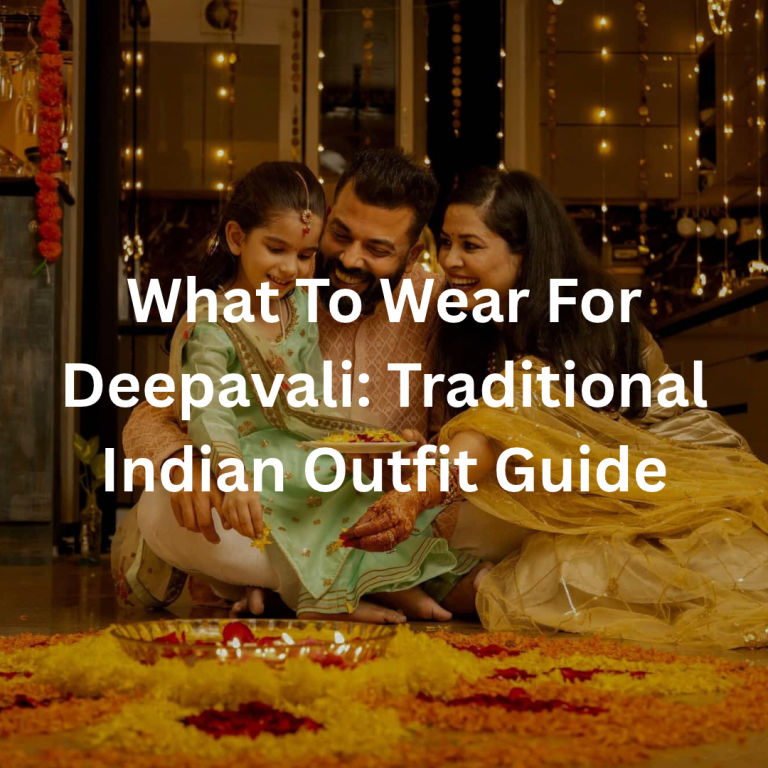
What To Wear For Deepavali: Traditional Indian Outfit Guide
Festival
20 Oct 2026
Received an invitation to a Deepavali celebration and now wondering what to wear?
You are not alone.
For someone discovering Indian festive wear for the first time, the choices can feel endless. Saree or lehenga? Kurta or veshti? And where does a salwar kameez fit into all of this?
In Malaysia, Deepavali is a wonderful opportunity to experience Indian culture through food, traditions, decorations and, of course, clothing. Many families wear new or festive attire for the celebration, with colourful sarees, kurtas and other traditional outfits appearing at family gatherings, temple visits and open houses.
If you are curious about the different styles, here are some of the Deepavali outfits you are most likely to see in Malaysia.
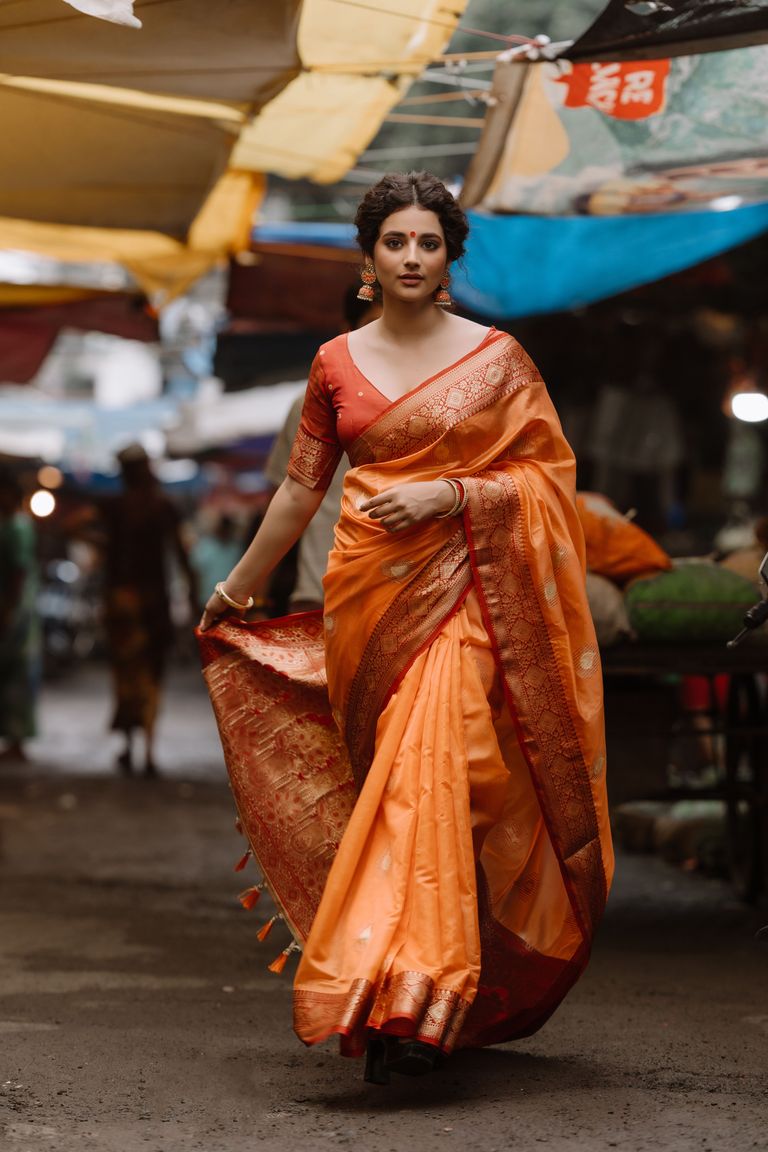
Saree
Perhaps the most recognisable Indian attire, the saree is a long piece of fabric draped around the body and usually paired with a fitted blouse.
Sarees come in an enormous range of fabrics, colours and styles. Silk sarees often appear at weddings and festive occasions, while lighter materials can feel more comfortable for a long day of visiting family and friends. Saree still remains one of the most popular traditional choices among Indian women for Deepavali.
If you have never worn one before, the draping can look intimidating at first. The finished outfit, though, has an elegance that makes it easy to understand why sarees remain such an important part of Indian festive wear.
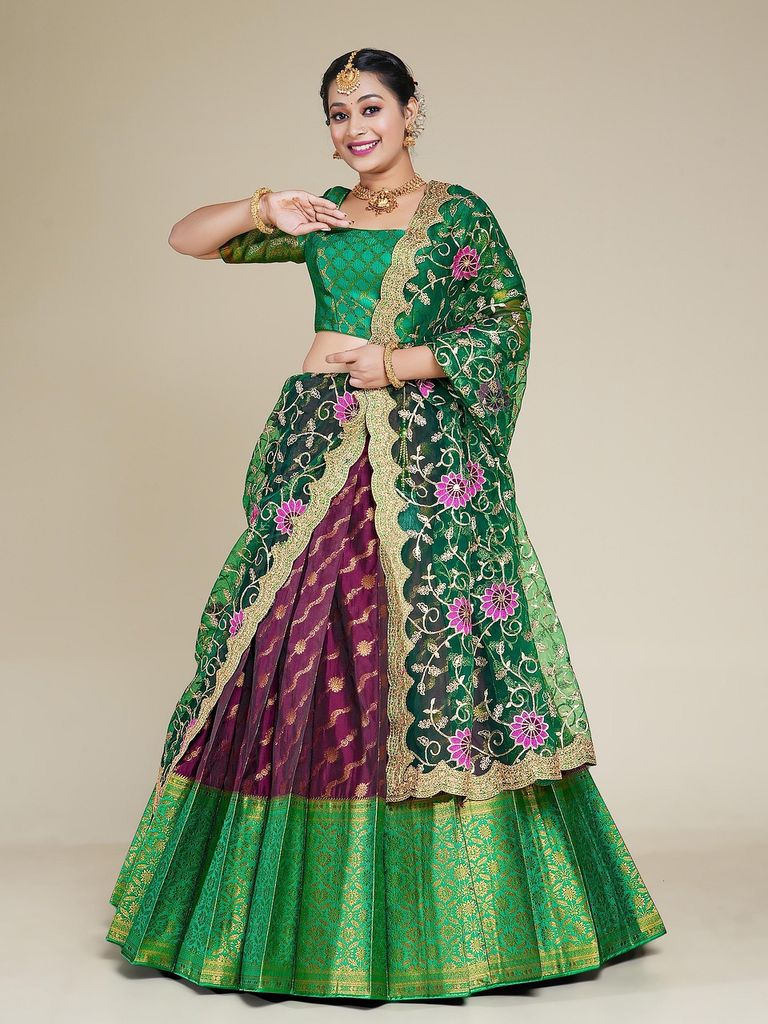
Lehenga Choli
Want something with a little more drama?
A lehenga choli usually consists of a long skirt, a fitted blouse and a dupatta. The skirt gives the outfit plenty of movement, while festive versions often feature embroidery, sequins, beadwork or metallic details.
You will often see lehengas at weddings and celebrations, but they also make a beautiful Deepavali outfit.
They are especially popular among younger women who want a festive look while keeping the silhouette different from a saree. Lehenga skirts are also easy to personalise through colour combinations, jewellery and different ways of styling the dupatta.
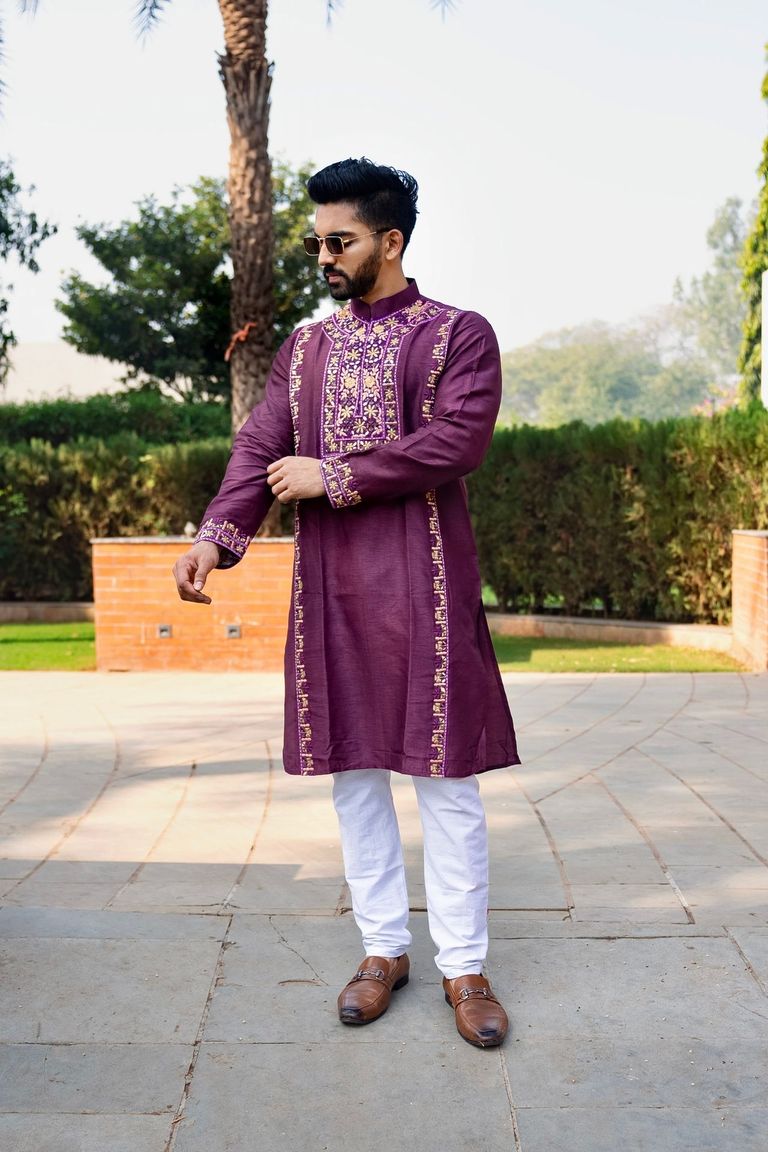
Kurta
For men, one of the most common festive looks is the kurta.
A kurta is a long tunic that usually reaches around the knees. It can be paired with pyjama trousers, churidar-style pants or other bottoms depending on the look.
Some kurtas are simple and understated. Others come in rich colours, embroidery and festive fabrics that work perfectly for Deepavali.
Tourism Malaysia lists kurtas alongside dhotis as popular traditional choices for men during the festivities.
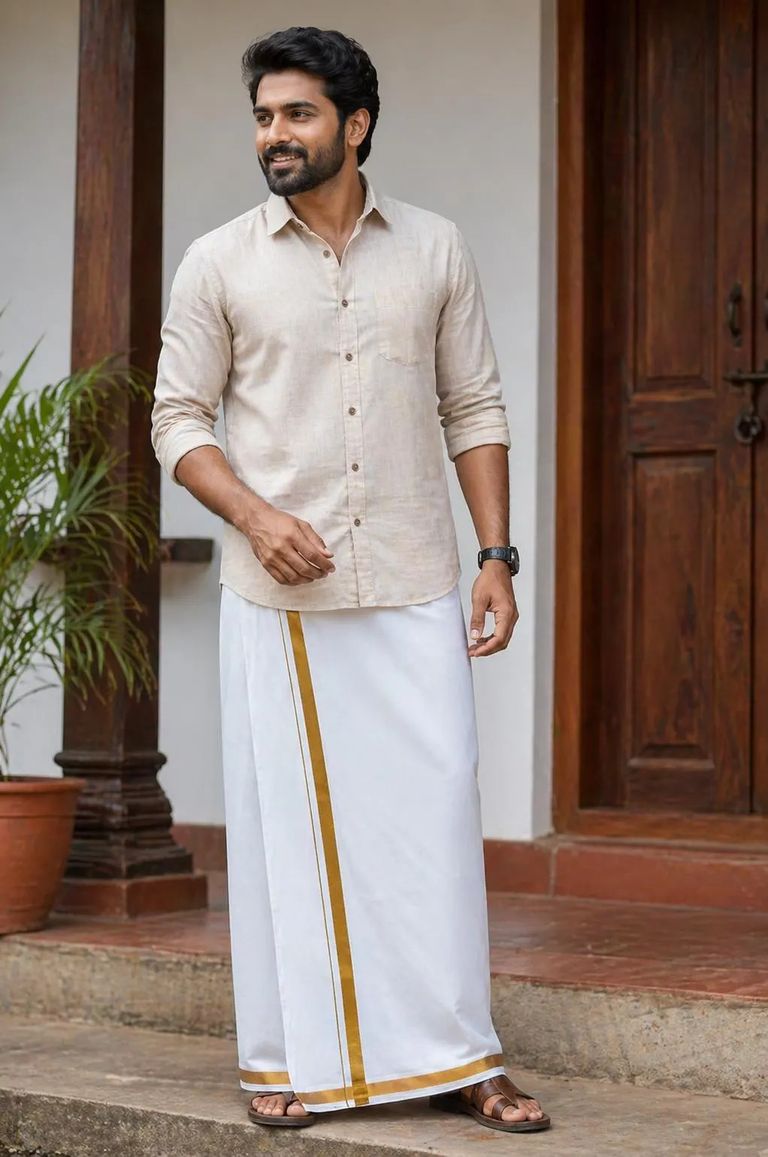
Veshti Or Dhoti
The veshti, also commonly referred to as a dhoti depending on regional tradition, brings a distinctly South Indian touch to festive dressing.
It consists of a long piece of fabric wrapped around the waist and is commonly paired with a shirt, kurta or traditional top.
In Malaysia's Indian community, we have a strong South Indian cultural roots, so the veshti is a familiar sight during religious occasions and celebrations. You may see classic white versions with coloured or gold borders as well as more festive variations.
If you are unfamiliar with how one is worn, it is worth getting a little help with the wrapping before heading out.
What Colours Should You Wear For Deepavali?
Deepavali fashion tends to embrace colour. Rich reds, royal blues, emerald greens, pinks, purples, oranges and gold are common choices, though modern outfits now come in almost every colour imaginable.
Many people wear new clothing to mark the occasion, with the tradition associated with renewal and an auspicious new beginning.
What Should A Non-Indian Wear To A Deepavali Celebration?
If your Indian friends or colleagues have invited you to celebrate, wearing traditional attire can be a lovely way to take part in the occasion.
You do not need to know every styling rule before trying one.
A kurta is an easy starting point for men. For women, a saree will definitely give you the chance to experience one of India's most iconic traditional garments.
If you would like to experience the clothing before deciding which style suits you, you can try on Indian festive wear at our Deepavali Colours of Light Festival at the Grand Foyer!