

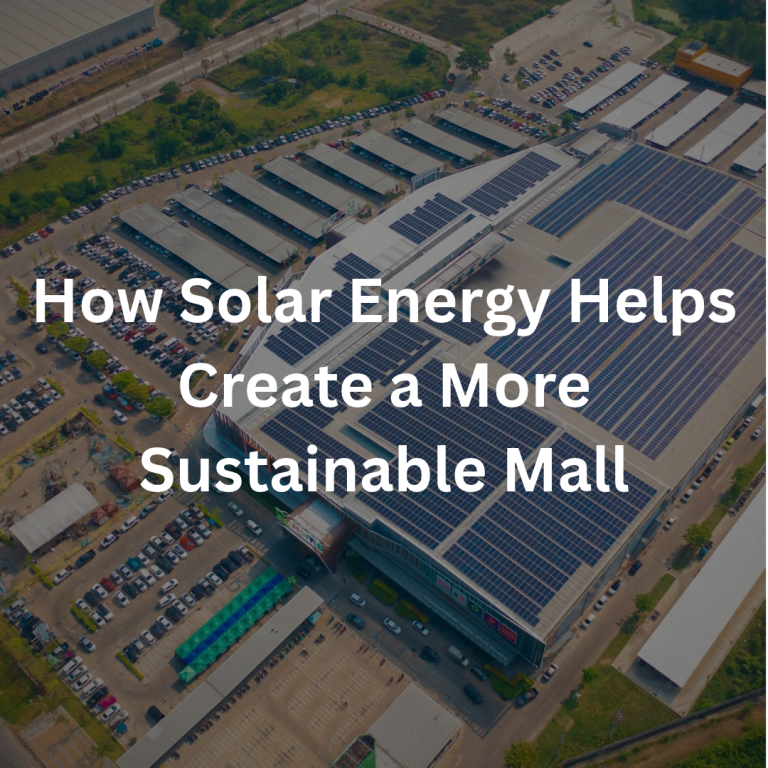
How Solar Energy Helps Create a More Sustainable Mall
Sustainability
26 Oct 2026
Ever wondered how much electricity it takes to keep a shopping mall running?
Think about the air-conditioning keeping you cool, the lights illuminating your favourite stores, the escalators carrying shoppers between floors and all the activities happening around the mall.
With so much going on every day, shopping malls need a considerable amount of electricity to operate.
That's why solar energy in Malaysia has an important role to play in creating more sustainable buildings. By harnessing sunlight to generate electricity, shopping malls can reduce their reliance on conventional energy sources and manage their environmental impact.
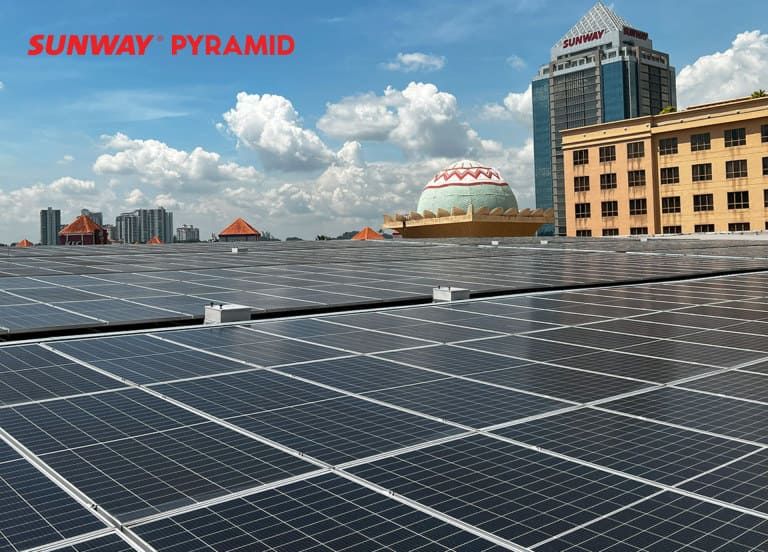
At Sunway Pyramid, solar panels are already part of our sustainability efforts, helping provide renewable electricity for selected mall operations.
What Is Solar Energy And How Does It Work?
Solar energy uses sunlight to generate electricity. It is a renewable energy source because the sun naturally replenishes the energy we collect.
A solar energy system uses photovoltaic (PV) panels to capture sunlight and convert it into electricity.
Here's how it works:
- Solar panels capture sunlight. Photovoltaic cells generate direct current (DC) electricity.
- An inverter converts the electricity. It changes DC electricity into alternating current (AC), which buildings can use.
- The electricity helps power the building. The mall can use its solar electricity alongside power supplied by the electrical grid.
For commercial buildings, this means using available rooftop space to generate some of the electricity needed for daily operations.
Why Is Solar Energy Important For Shopping Malls?
Shopping malls have different energy requirements compared to smaller buildings.
Air-conditioning, lighting, lifts, escalators and retail operations all require electricity throughout the day.
Solar energy offers several benefits that can make managing these demands more sustainable.
Reducing Carbon Emissions
One of the biggest solar energy benefits is its ability to generate electricity without producing greenhouse gas emissions during operation.
When a mall uses solar-generated electricity instead of electricity from fossil fuels, it can reduce emissions associated with its energy consumption.
This supports Malaysia's wider transition towards renewable energy and helps commercial buildings take practical steps towards lowering their environmental impact.
Making Better Use Of Rooftop Space
Shopping malls often have large rooftop areas that can accommodate solar panels.
These spaces can become useful locations for solar energy generation, allowing buildings to produce renewable electricity without requiring additional land elsewhere.
The amount generated depends on factors such as available rooftop space, panel efficiency, sunlight exposure and system design.
Managing Energy Costs
Solar energy can also help shopping malls manage long-term electricity expenses.
Generating electricity on-site can reduce the amount purchased from the grid, although the actual savings depend on installation costs, energy consumption and system performance.
For large commercial buildings, energy efficiency and renewable energy investments can form part of a longer-term approach to operating more sustainably.
How Sunway Pyramid Uses Solar Energy
You might already be familiar with Sunway Pyramid's Egyptian-inspired architecture, shopping experiences and entertainment attractions. Behind the scenes, the mall also invests in initiatives that support greener operations.
As part of Sunway's sustainability journey, Sunway Pyramid has installed solar panels to generate clean, renewable electricity for selected operating systems.
This initiative supports three United Nations Sustainable Development Goals:
- SDG 7: Affordable and Clean Energy, by increasing the use of renewable electricity.
- SDG 11: Sustainable Cities and Communities, by supporting more sustainable urban infrastructure.
- SDG 13: Climate Action, by helping reduce greenhouse gas emissions associated with energy use.
Solar energy also forms part of Sunway's broader renewable energy efforts across Sunway City Kuala Lumpur.
You can learn more about these initiatives through Sunway Pyramid's Sustainable Development Goals programme.
Solar Energy In Malaysia: What Makes It Suitable?
Malaysia's tropical climate gives commercial buildings opportunities to generate solar electricity throughout the year.
Shopping malls are particularly suitable because many of their busiest operating hours overlap with periods when solar panels generate electricity.
However, solar energy efficiency still depends on weather conditions, panel placement and maintenance.
Cloudy days and heavy rain can reduce solar generation, while panels stop producing electricity at night.
For this reason, malls generally continue using their grid connections to maintain a reliable electricity supply.
Some solar energy systems can also include battery storage to save electricity for later use, although battery systems involve additional costs and equipment.
Malaysia continues to encourage rooftop solar adoption through initiatives such as the Solar Accelerated Transition Action Programme, introduced in 2026 for eligible electricity consumers.
What Makes A Shopping Mall More Sustainable?
Solar panels are one part of a larger sustainability journey.
A sustainable shopping mall also needs to consider how it manages energy, water, waste and everyday operations.
At Sunway Pyramid, several initiatives support these efforts.
Smarter Energy And Resource Management
Alongside renewable electricity generation, Sunway Pyramid's sustainability initiatives include smart building technologies, water-management solutions and a Green Lease Partnership Programme that encourages tenants to adopt more sustainable operating practices.
Recycling And Circular Living
Visitors can also participate in sustainability initiatives during their mall visits.
The Re-Circle Hub encourages shoppers to recycle eligible materials such as paper, plastic and aluminium while earning rewards through the Sunway Super App.
Explore our article on recycling and circular living at Sunway Pyramid to discover how you can get involved.
Reducing Food Waste
Food waste management is another important part of sustainable mall operations.
Through Food CPR (Compost. Plant. Reduce), Sunway Pyramid processes suitable food waste into compost, helping recover value from organic materials.
Read more about reducing food waste one meal at a time and the habits that can make a difference.
A Greener Future Starts With The Choices We Make
The next time you visit Sunway Pyramid, take a moment to think about the energy keeping your favourite experiences running.
Solar panels help us generate renewable electricity, while smarter building operations, recycling programmes and waste-management initiatives support our wider sustainability journey.
Shoppers have a role to play too.
Bring your recyclables, reduce unnecessary waste and explore sustainable shopping at Sunway Pyramid for simple ways to make your mall visits more environmentally conscious.
Together, these efforts help us work towards a more sustainable future for Sunway Pyramid and the community around us.