

Reducing Food Waste One Meal At A Time
Sustainability
21 Sep 2026
Ever ordered a little too much because everything on the menu looked good?
Maybe there was an extra side dish nobody finished, a few spoonfuls of rice left behind, or groceries that stayed forgotten at the back of the fridge.
It happens more often than we realise.
Reducing food waste does not mean taking the enjoyment out of eating. It simply means making better use of the food we already have and thinking twice before perfectly good food ends up in the bin.
A little meal planning, smarter ordering and proper food storage can go a long way. When food can no longer be eaten, solutions such as composting can give organic waste another purpose.
Why Does Reducing Food Waste Matter?
Food waste happens at home, in restaurants, supermarkets and throughout the hospitality industry.
Beyond the food itself, wasted meals also represent the resources used to grow, produce, transport, store and prepare them. This is why reducing food waste is closely connected to responsible consumption, better resource management and the wider circular economy.
The good news? Food waste prevention can start with something as simple as your next meal.
Order What You Can Finish
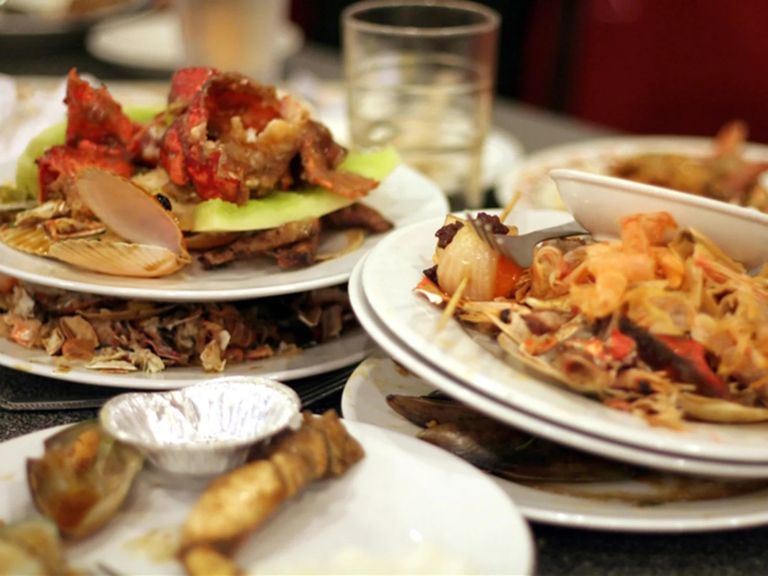
One of the easiest ways to reduce food waste while dining out is simply to order according to your appetite.
When eating with family or friends, it can be tempting to fill the table with everything that looks delicious. Instead, start with an amount the group is likely to finish. You can always add another dish if everyone is still hungry.
Sharing dishes can also help, especially when the portions are generous.
And if there are leftovers that can be safely kept, consider packing them to take home. Tomorrow's lunch may already be sorted.
Small changes in our dining habits can prevent perfectly good food from being discarded.

Plan Before Your Grocery Run
Food waste prevention often begins before we even start cooking.
Before heading to the supermarket, check your fridge, freezer and pantry. You may already have ingredients that need to be used first.
Creating a simple shopping list or planning a few meals ahead can help you avoid buying more than you need. It also reduces the chance of purchasing items just because they are on promotion, only for them to expire before you get around to using them.
This also ties into sustainable shopping. Shopping more consciously is about choosing what you will actually use and making the most of what you bring home.
Store Food Properly
Sometimes food is wasted simply because we forget it is there.
Keep ingredients that need to be eaten soon somewhere visible in the fridge and store food correctly so it stays fresh for longer.
A simple food waste log can also help households identify what they regularly throw away. You do not need a complicated food waste app — even keeping a short note for a week can reveal useful patterns.
Maybe vegetables are being bought too frequently, bread regularly goes stale, or takeaway portions tend to be larger than expected.
Once you know where waste happens, it becomes easier to prevent it.
Give Leftovers Another Chance
Yesterday's leftovers do not always have to look like yesterday's meal.
Extra rice can become fried rice. Vegetables can be added to soups or stir-fries. Roasted meat can go into sandwiches or wraps, while ripe fruit can still work beautifully in smoothies or baking.
These simple cooking habits help ingredients stay useful for longer and can save you from having to prepare an entirely new meal.
Sometimes the best question before cooking is simply: What do I already have?
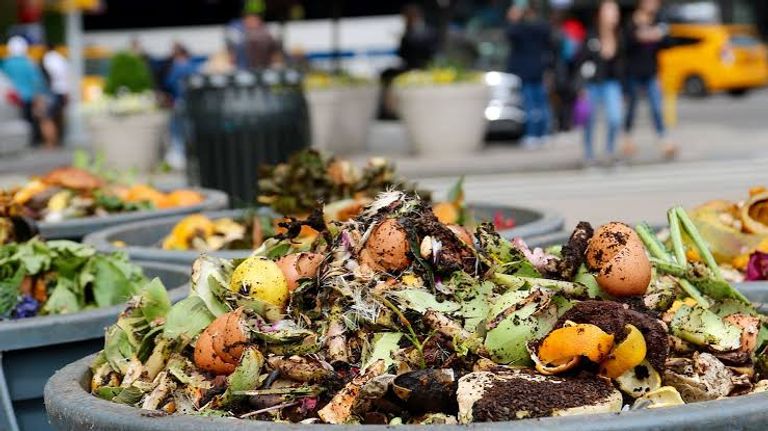
When Food Cannot Be Saved, Composting Can Help
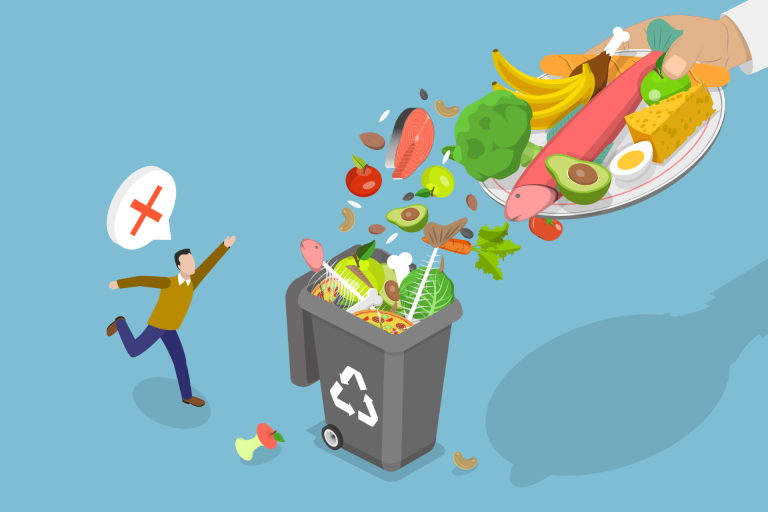
Food waste prevention should always come first, but some food scraps are unavoidable.
That is where composting and food waste recycling come in.
Composting allows suitable biodegradable waste to be processed into material that can support plants and soil. Instead of treating every food scrap as rubbish, it gives organic waste another possible use.
At Sunway Pyramid, food waste management forms part of our wider sustainability journey, with initiatives that include food waste programmes, composting and food digester solutions.
Food CPR At Sunway Pyramid
One way Sunway Pyramid puts circular thinking into action is through Food CPR — Compost. Plant. Reduce.
Food waste collected through participating F&B operations can be processed using composting solutions, helping turn suitable organic waste into something useful again.
It reflects a simple circular idea: resources do not always have to reach the end of their journey once we are finished with them.
The same thinking can be applied beyond food too. Sunway Pyramid's sustainability initiatives also include recycling and circular-living programmes such as the Re-Circle Hub.
If you would like to explore this further, read our guide to recycling and circular living at Sunway Pyramid.
Small Changes Start With Your Next Meal
You do not need a food waste composter at home or a complicated tracking system to start reducing food waste.
Begin with a few simple habits: order according to your appetite, check your fridge before shopping, store food properly, give leftovers another chance, and buy what you are likely to use.
When food waste cannot be avoided, better composting and food waste recycling solutions can help recover some of its value.
One meal may feel like a small place to start, but everyday habits add up.